What “quiet” means in a room
We focus on practical sources: corridor sound, door impact, ventilation tone, and light leakage.
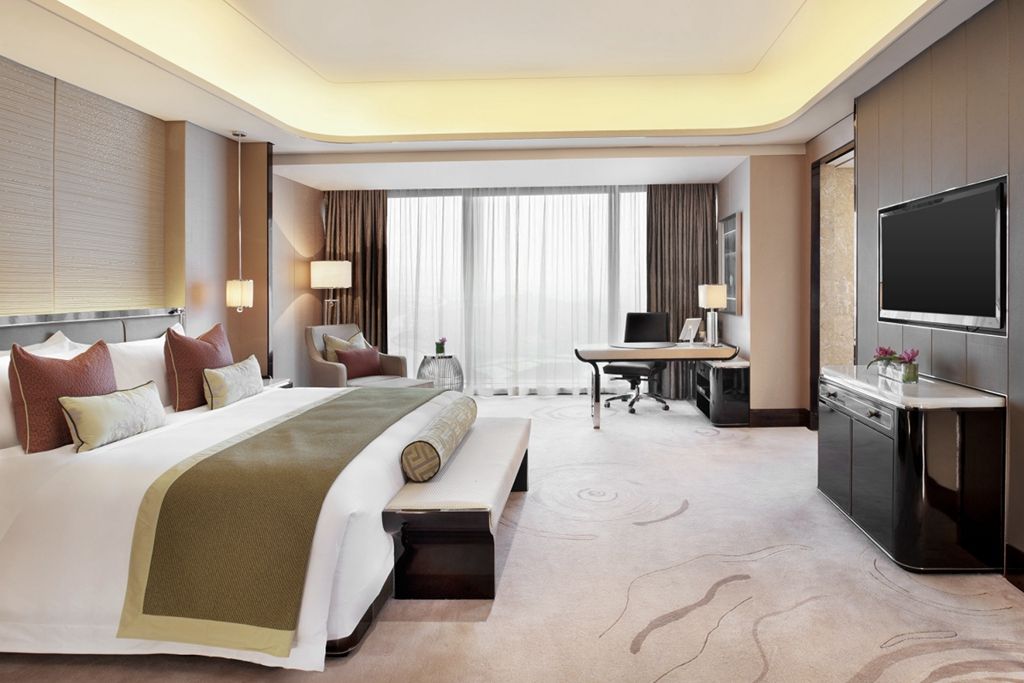
Quiet in a room is built from small decisions: door sealing, soft materials, stable airflow, and lighting that avoids glare.
The goal is a steady environment with fewer sudden changes in sound and brightness.
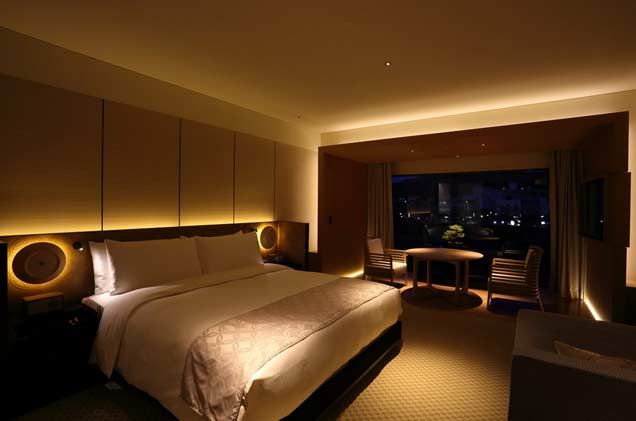
Light is layered: ambient warmth, focused reading, and a low night path.
Blackout is treated as an engineering detail, not an accessory.
Layout reduces friction: clear movement routes, storage that prevents surface clutter,
and a work zone placed away from the sleep zone when possible.
Sound
Acoustic layering
- Door perimeter sealing reduces corridor noise.
- Soft materials where echoes usually form.
- Mechanical noise kept low and steady, not variable.
- Request: “far from elevator” when needed.
Light
Evening-friendly lighting
- Layered light: ambient + reading + low night path.
- Warm tones to reduce glare and harsh contrast.
- Bedside controls arranged for use in the dark.
- Blackout designed to reduce edge leakage.
Layout
Movement without obstacles
- Clear route bed ↔ bathroom ↔ storage.
- Closet-first entry reduces “drop zone” clutter.
- Work surface placed away from sleep zone where possible.
- Storage sized to keep surfaces empty.
Room categories (choose precisely)
Category
Quiet Studio
A compact room with a strong sleep profile: deep blackout, stable temperature, minimal reflective surfaces.
- Bed: queen (medium-firm default; options on request).
- Storage: hanging + folded zones; luggage bench.
- Work: compact desk, low-glare task light.
- Bathroom: shower; layout varies by floor.
- Best for: short stays, solo work, high sensitivity to noise.
Category
Corner Room
More daylight, fewer shared boundaries. Corner rooms are for guests who want space without visual noise.
- Bed: king or queen depending on layout.
- Seating: reading chair with foot support.
- Windows: layered shading (sheer + blackout).
- Work: desk positioned away from sleep zone where possible.
- Best for: longer stays, daylight preference, quiet reading.
Category
Suite — Separate Sleep Zone
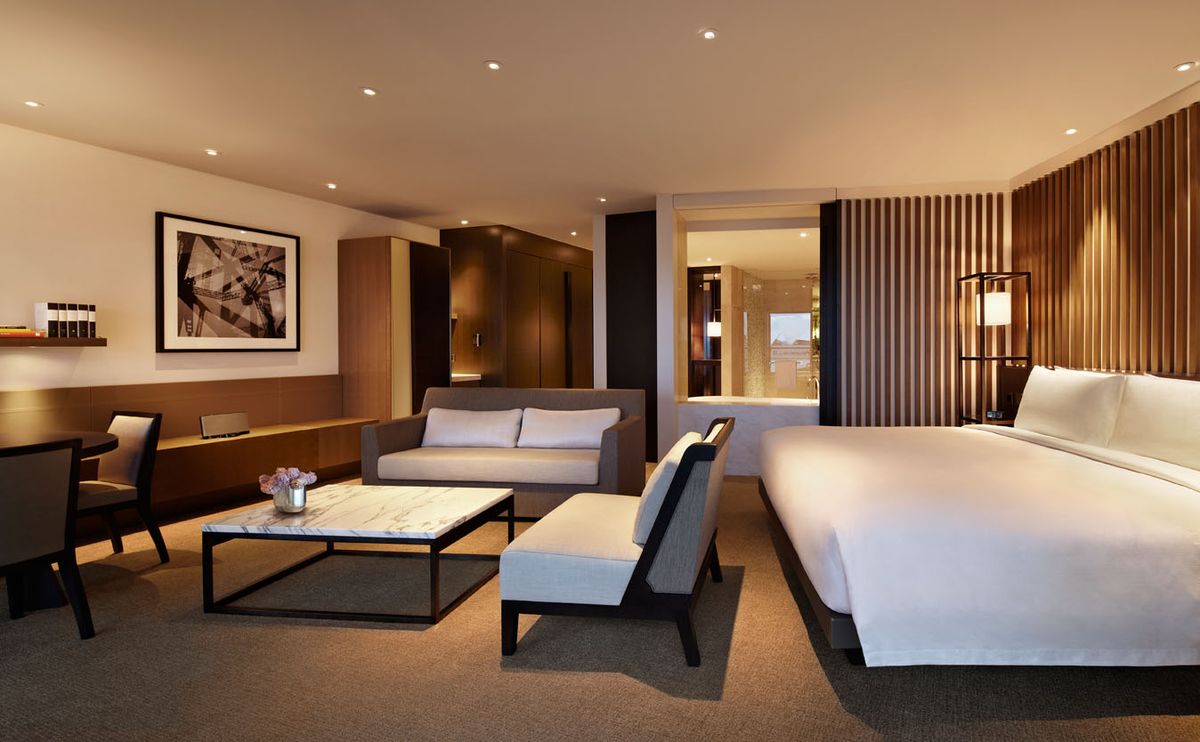
Bedroom separated from living area to reduce cognitive “busyness.” Calm living, no glossy surfaces.
- Bedroom door isolates sound and light.
- Living: low-profile seating, matte finishes, soft corners.
- Storage: long-stay wardrobe capacity.
- Bathroom: larger counter; towel warming shelf where available.
- Best for: deep rest, private meetings, longer stays.
Category
Accessible Room (verified layout)
Designed around clear circulation and reach ranges. We provide measurements on request.
- Step-free path; clear turning space where applicable.
- Bathroom configuration varies; roll-in shower may be available.
- Controls positioned for seated use.
- Quiet standard remains the same as other rooms.
- Best for: guests needing predictable, confirmed setup.
In-room details (no fluff)
Everything that affects comfort—listed plainly. If it isn’t here, ask via Contact.
Sleep
Blackout & pillows
- Blackout designed to reduce edge leakage.
- Pillow options: low / medium / firm (availability varies).
- Extra blanket on request; no perfumed sprays.
- Quiet alarm instructions available.
Air
Comfort without odor
- Low-odor cleaning protocol.
- Ventilation tuned for steady sound profile.
- Humidity attention during dry seasons.
- Sensitivity notes can be added to your stay profile.
Work
Quiet practicality
- Task light positioned to reduce glare.
- Charging near desk and bedside.
- Chair chosen for long sitting, minimal squeak.
- Wi-Fi details provided at check-in.
Noise policy
Quiet hours and shared spaces
We keep corridors calm. If you need to take a call, we can suggest a suitable corner.
- Quiet hours: typically 10 pm–7 am (posted on-site).
- No loud speaker playback in corridors or public areas.
- Requests that create noise may be declined.
Request checklist
So you don’t have to guess
- High floor / low floor preference.
- Distance from elevator or service areas.
- Firmness preference and extra pillows.
- Allergy considerations (feather-free, low-odor).
- Accessibility dimensions needed (we can confirm).
Pros & Cons (rooms)
Directly tied to sleep, space, and sensory comfort.
Pros
- Quiet mechanical profile and soft-close details.
- Blackout focus with layered shading.
- Storage reduces visual clutter.
- Low-odor approach to cleaning and amenities.
Cons
- Minimal décor may feel “too clean” for some guests.
- Some services are opt-in to keep corridors quiet.
- Categories are functional, not theatrical.