Quiet design choices (practical)
Not aesthetics alone: sound, light, air, smell, and movement patterns.
Reducing impact and echo
- Soft-close and damped hardware in high-touch zones.
- Absorbing finishes where reverberation usually forms.
- Quiet equipment selection (low mechanical “tone”).
- Capacity management to prevent crowd noise.
Low-glare layers
- Warm light in the evening across shared areas.
- Task lights where needed; no bright overhead wash.
- Transition lighting at thresholds (no sudden contrast).
- Readable signage without luminous screens.
Low-fragrance environment
- No public scent diffusion systems.
- Cleaning products selected for low residual smell.
- Waste handling designed to reduce corridor odor.
- Dietary prep areas kept separated where feasible.
Amenities and shared spaces
Shared areas are designed for low stimulation and predictable use. Furniture placement, lighting, and circulation patterns reduce unnecessary interaction.
Lounges, wellness rooms, and reading areas follow the same principles as guest rooms: controlled sound, indirect lighting, and materials that remain comfortable over long use. Guests are encouraged to use these spaces quietly and without reservation.
Wellness (quiet by design)
Small details that affect comfort: sound, towel handling, lighting, and pacing.
Low-stimulation appointments
- Intake can be written to reduce conversation.
- Music optional; default is minimal or none.
- Lighting: warm, controlled; no harsh glare.
- Low-odor oils available; fragrance-free option on request.
- Clear start/finish pacing; no “rushed” ending.
If you have sensitivity notes, share them in advance so we can confirm feasibility.
Quiet heat, controlled capacity
If you offer sauna/steam/plunge, keep this section accurate. If not, remove it entirely. The tone remains practical: temperature, time windows, etiquette, and safety.
- Capacity capped to keep the space quiet.
- Timed entry to avoid crowd noise.
- Rules: no phone calls, low voice, no loud music.
- Clean towels stocked quietly; bins placed away from doors.
Fitness (low-noise)
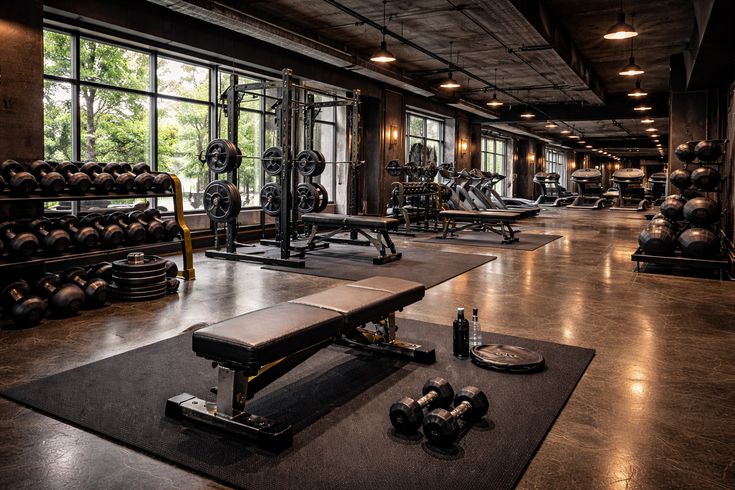
Fitness without impact noise and without a high-energy atmosphere.
Quiet choices
- Low-impact cardio (controlled motor sound).
- Rubberized surfaces to reduce dropped-weight impact.
- Mat zone for stretching and mobility.
- Wipes are low-odor; bins are lidded.
Noise boundaries
- No speaker playback.
- Use headphones at low volume.
- No dropping weights.
- Wipe down equipment quietly; avoid clatter.
Predictable access
- Optional capacity windows (if needed).
- Early-morning access can be quieter.
- Maintenance done off-peak where possible.
- Ask staff for the calmest time block.
Library & quiet lounge
A place to sit without a “lobby scene.”
Rules that protect quiet
- No calls; devices on silent.
- Soft entry/exit; door is damped.
- Task lighting at seats, warm and non-glare.
- Writing supplies available; request discreetly.
- Staff does not interrupt unless needed for operations.
Seating planned for personal space
- Seats placed to reduce face-to-face noise.
- Tables sized for a book/laptop without clutter.
- Lighting supports evening calm.
- Service is available but not constant.
Pros & Cons (amenities)
Direct: what this setup supports, and what it does not.
- Quiet spaces designed with real boundaries.
- Low-odor operations.
- Fitness without impact noise culture.
- Predictable use patterns and capacity control.
- Not an “eventful” public-space atmosphere.
- Some areas may have capped capacity.
- Strict etiquette can feel limiting for some guests.