Quiet options, described plainly
What happens, how long it takes, what you need, what the environment feels like.
Guided quiet walk
- Duration: 45–75 minutes (choose your pace).
- Route: low traffic, softer sound profile.
- Speech: minimal; safety + navigation only if desired.
- Group: small; private walks by request.
If you prefer silence throughout, tell us—no explanation needed.
Tea ritual (quiet service)
- Duration: 35–60 minutes.
- Options: caffeine-free and low-tannin selections.
- Food: small pairings; separate plating if requested.
- Lighting: soft daylight where possible.
Dietary notes are handled discreetly; please share in advance.
Library hours
- No phone calls in the room.
- Soft page-turn lighting.
- Writing supplies available on request.
- Silent entry/exit expectation.
Low-noise stretching session
- Duration: 25–45 minutes.
- Music: minimal or none.
- Lighting: warm and low-glare.
- Modifications offered without attention.
Quiet craft session
- Materials chosen for low mess.
- Instruction is short and clear.
- Take-home item is practical.
- Private session available by request.
Quiet experiences
Natural light, slow movement, and minimal external stimulation. Activities are designed to fit into the existing rhythm of the guest.
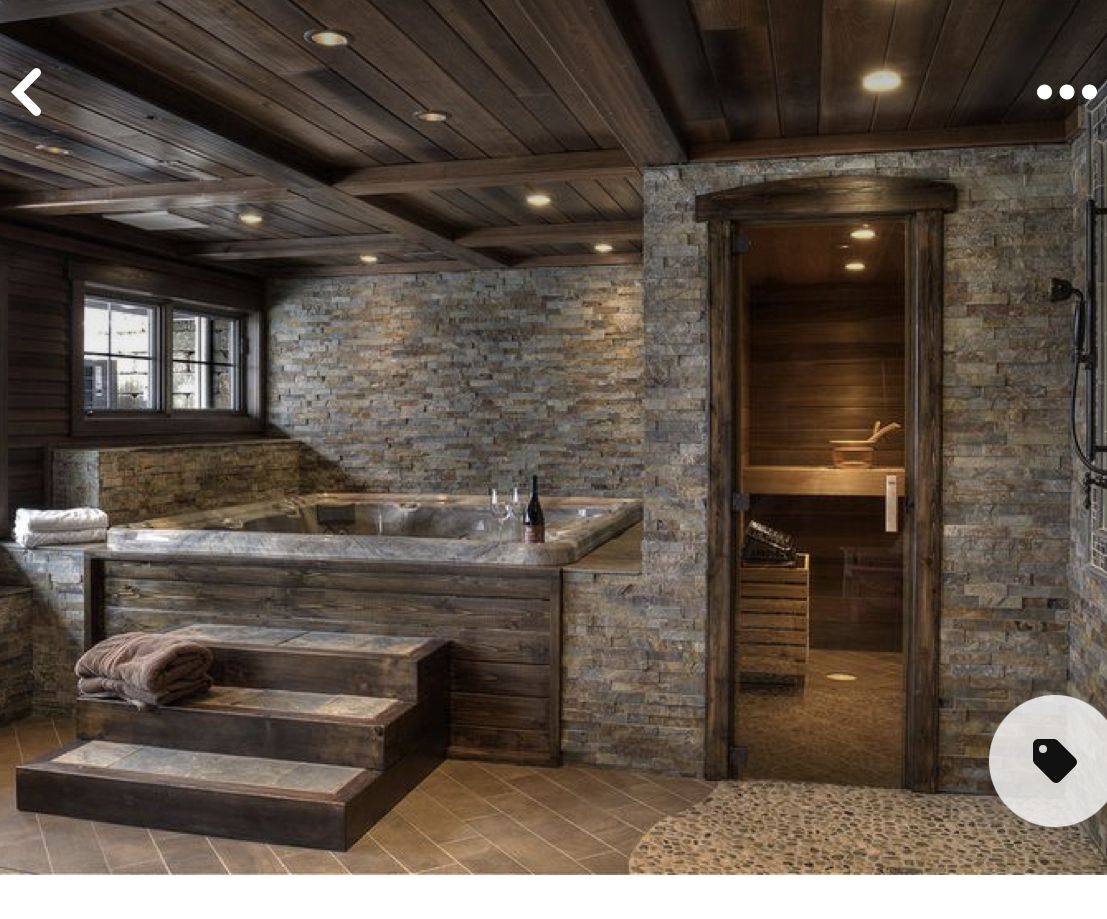
Experiences are optional and intentionally limited in scale. Group size, timing, and location are selected to avoid crowding and excessive sensory input. Guests may participate independently without guided schedules.
Scheduling, boundaries, accessibility
Rules that protect calm capacity and guest flow.
Predictable timing
- Sessions run in quiet blocks to avoid crowding.
- Start windows are used when possible.
- Fixed-time needs can be requested; confirmed in writing.
- Late arrivals may be rescheduled to protect the room.
What we do not host
- Loud group celebrations in calm zones.
- Amplified classes or high-volume music.
- Strong-odor activities.
- Drop-in crowds that disturb guest flow.
Tell us the detail; we confirm the detail
- Step-free routes and seated options where possible.
- Written instructions for sessions on request.
- Sensory load adjustments: lower light, less speech, fewer participants.
Pros & Cons (experiences)
If you want spectacle, this will feel “too quiet.” That is the point.
Pros
- Low-stimulation structure, small groups.
- Predictable environments.
- Privacy-respecting facilitation.
Cons
- No loud entertainment schedule.
- Fewer “bucket list” style activities.
- Some sessions require advance notice.