Principles
Readable menu, calm lighting, predictable timing. No performance.
Low-noise environment
- Spacing reduces cross-table noise.
- Absorption in furnishings and ceiling design.
- No bright screens, minimal reflective surfaces.
- Even, low-glare lighting.
Seasonal and specific
- Plain dish naming; key ingredients listed.
- Balanced portions (comfort-first).
- Non-alcoholic pairings treated seriously.
- Quiet vegetarian option is always available.
Minimal interruption
- Check-ins timed, not constant.
- Discreet refills and clearing.
- No pressure language.
- Clear bill handling.
Dining space overview
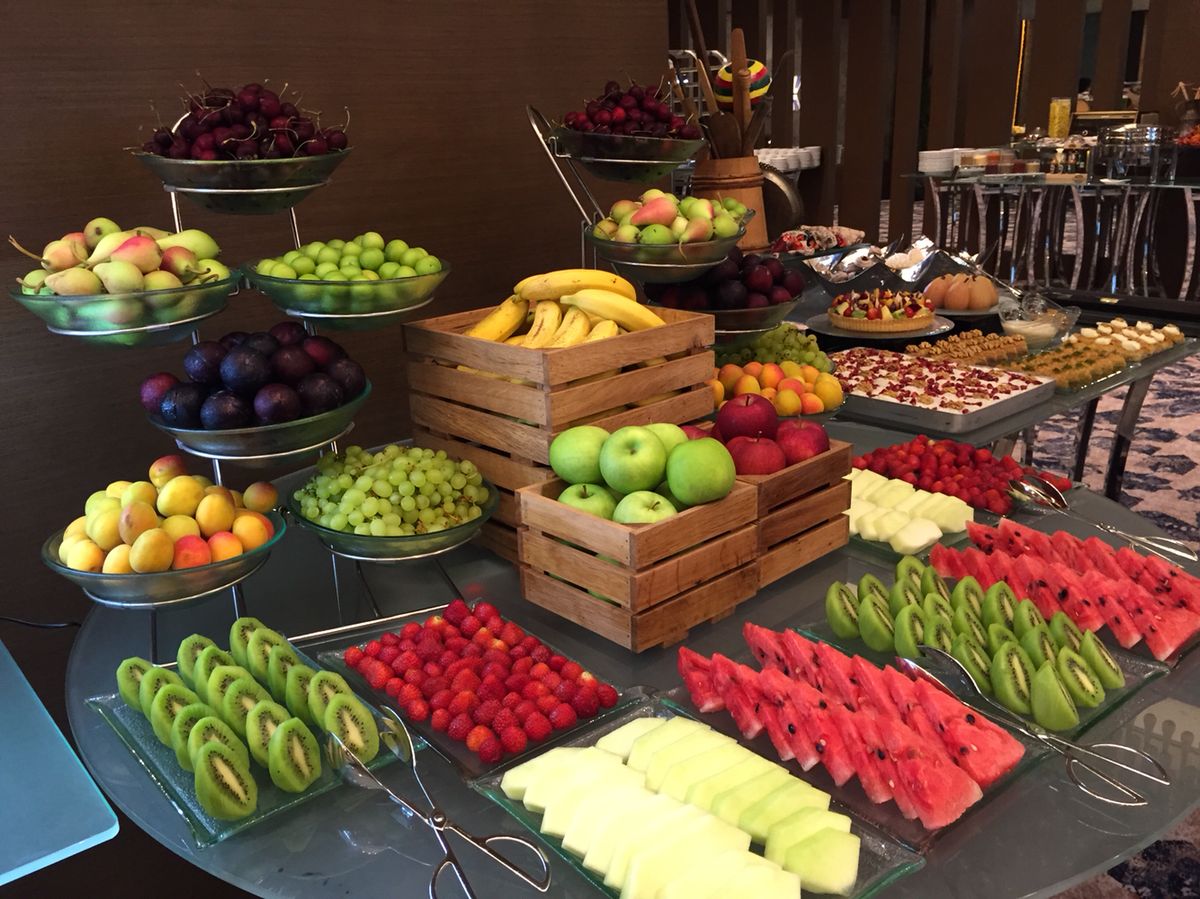
The dining room is arranged to maintain low conversation volume and visual clarity. Table spacing, material selection, and lighting height are optimized to reduce cross-table noise and unnecessary visual distraction.
Breakfast, daytime, evening
Descriptions that help guests decide without hype.
Quiet start
- Warm, stable foods; predictable timing.
- Optional separate plating for sensitivities.
- Tea with clear steeping guidance.
- Early breakfast available depending on staffing.
Measured pace
- Short menu, consistent execution.
- Corner seating available on request.
- Low-fragrance approach.
- Non-alcoholic pairings available.
Night-friendly menu
- Low-noise delivery protocols.
- Contactless drop-off available.
- Clear labeling for dietary preferences.
- Respect for “Do Not Disturb.”
Plain-language allergy notes
We handle requests carefully, without promises we cannot guarantee.
- Adjustments where feasible.
- Cross-contact risk exists; communicated honestly.
- Ingredient lists available on request.
- Manager confirmation for severe allergies.
Pros & Cons (dining)
What guests appreciate—and what some miss.
Pros
- Low-noise room and controlled lighting.
- Clear menu descriptions.
- Service that respects privacy and pacing.
Cons
- No loud bar energy.
- Menu is intentionally concise.
- We avoid dramatic presentation.