Intro, without spectacle
The hotel is tuned for rest: fewer sharp sounds, fewer visual distractions, fewer surprise interactions. It is not a “scene.” It is a place to sleep well, think clearly, and move slowly.
Engineered calm
Quiet is built: door hardware, corridor layout, ventilation tone, and service cadence. We focus on the noises that disrupt sleep—mechanical hum, echoes, sudden impact sounds.
- Soft-close details reduce impact noise.
- Low-glare lighting plan supports evenings.
- Night mode in shared areas after 10 pm.
- Optional “minimal interaction” profile note.
Materials that stay calm
Finishes are matte and tactile. The palette stays inside warm neutrals. Rooms avoid decorative clutter and keep storage practical.
- Matte metalwork; no high-gloss chrome.
- Honest wood grain, minimal stain.
- Textiles chosen for tactility and sound absorption.
- Neutral art that does not compete with the room.
Spaces and atmosphere
Interior and exterior spaces are designed around low stimulation, soft materials, and predictable visual rhythm. Every zone follows the same principle: nothing should compete for attention.
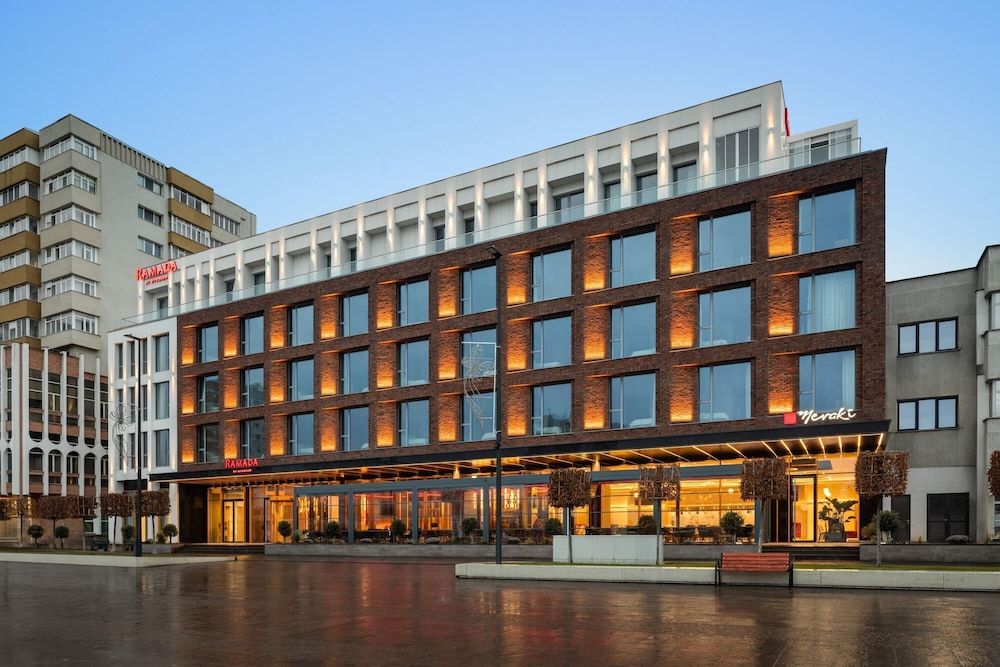
Main public areas use natural stone, light oak, matte metal, and linen textiles. Surfaces are selected for low reflectivity and tactile comfort. Color contrast is intentionally limited to reduce visual fatigue.
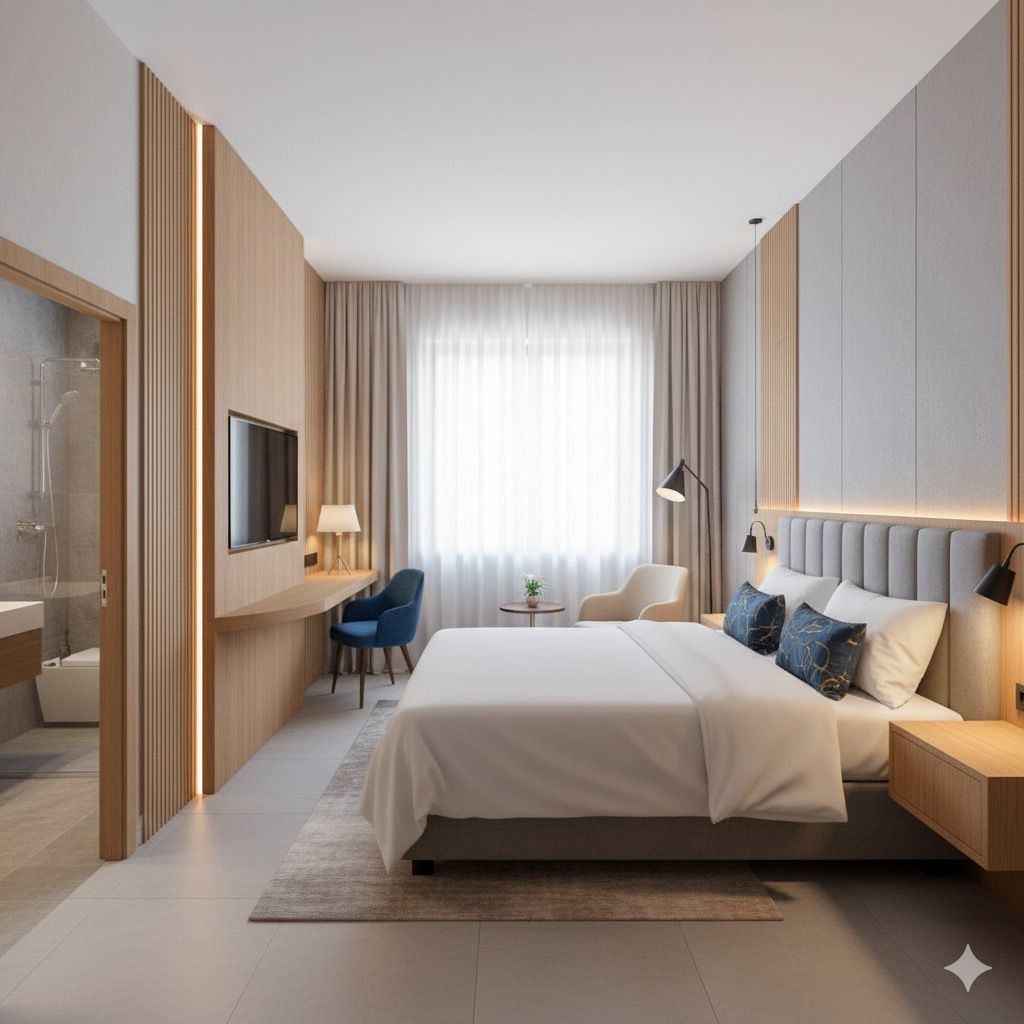
Guest rooms focus on sleep and recovery. Window placement, curtain layering, and furniture layout are tested to minimize light leakage and glare. Storage is integrated to keep surfaces visually calm.
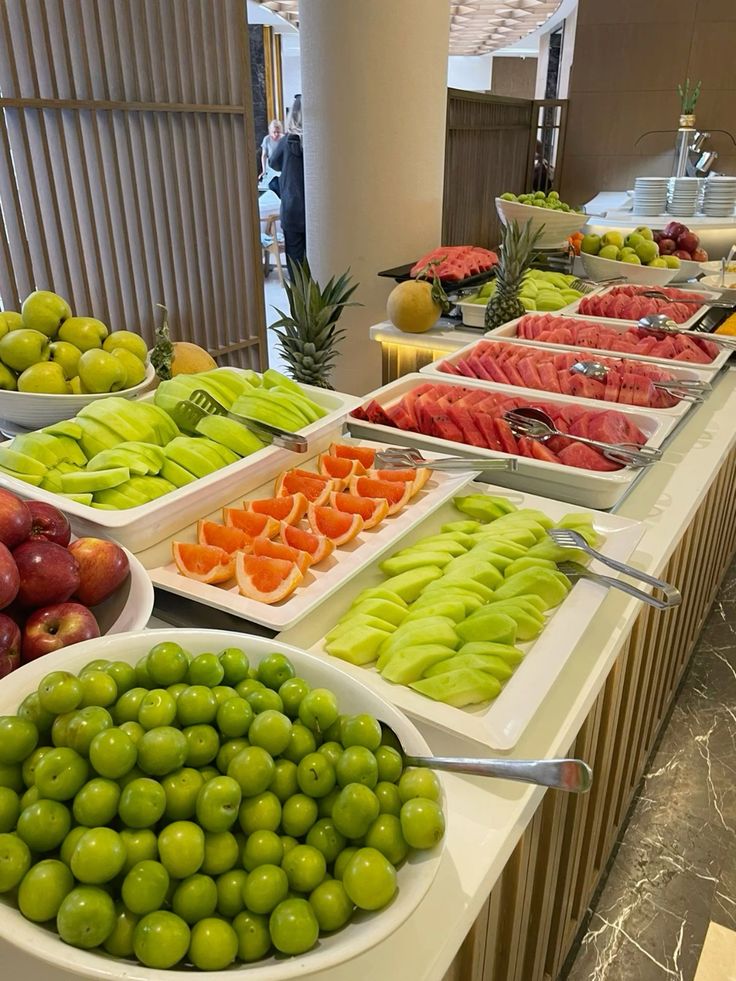
Dining spaces are arranged to reduce cross-table noise and visual crowding. Table spacing, lighting height, and material density are optimized for conversation-level sound. Decorative elements are kept secondary to function.
How the hotel works
Plain-language details: arrival, housekeeping, air, accessibility, and what we do not do.
Check-in as a calm handover
- Typical check-in: 3 pm. Typical check-out: 11 am.
- Early/late depends on housekeeping cadence and room type.
- Digital receipts by default; printed on request.
- Quiet arrivals supported: minimal conversation if requested.
Service without intrusion
- Low-odor cleaning approach (no heavy fragrance).
- Turndown available only if you opt in.
- “Do Not Disturb” respected without repeated knocks.
- Hallway noise discipline: no calls, no clatter.
Comfort, precisely
- Ventilation tuned for a steady, low-noise profile.
- Blackout designed to reduce edge leakage.
- Warm evening lighting, low glare.
- Humidity attention for Canadian winter comfort.
Practical access
We can confirm specifics in writing (turning space, bed height, shower type) when you contact us. If something cannot be guaranteed, we will say so plainly.
- Elevator access to guest floors.
- Step-free entry routes where applicable.
- Clear wayfinding in key zones.
- Quiet accommodation is compatible with access needs.
Less noise, less clutter
- No amplified events in guest corridors.
- No scent diffusion systems in public spaces.
- No aggressive upselling at reception.
- Signage is minimal and readable.
Pros & Cons (honest)
A quiet hotel is not for everyone. This section is deliberately direct.
Built for rest and attention
- Engineered quiet: doors, air, corridor planning.
- Neutral interiors that reduce visual noise.
- Service designed to avoid interruption.
- Policies written plainly and applied consistently.
Not built for a party mood
- No nightlife programming or loud bar energy.
- Minimalist rooms (less decorative “stuff”).
- Some services are opt-in to keep spaces quiet.
Start with Rooms to choose a sleep profile, then read Amenities for infrastructure details. For map + form: Contact.